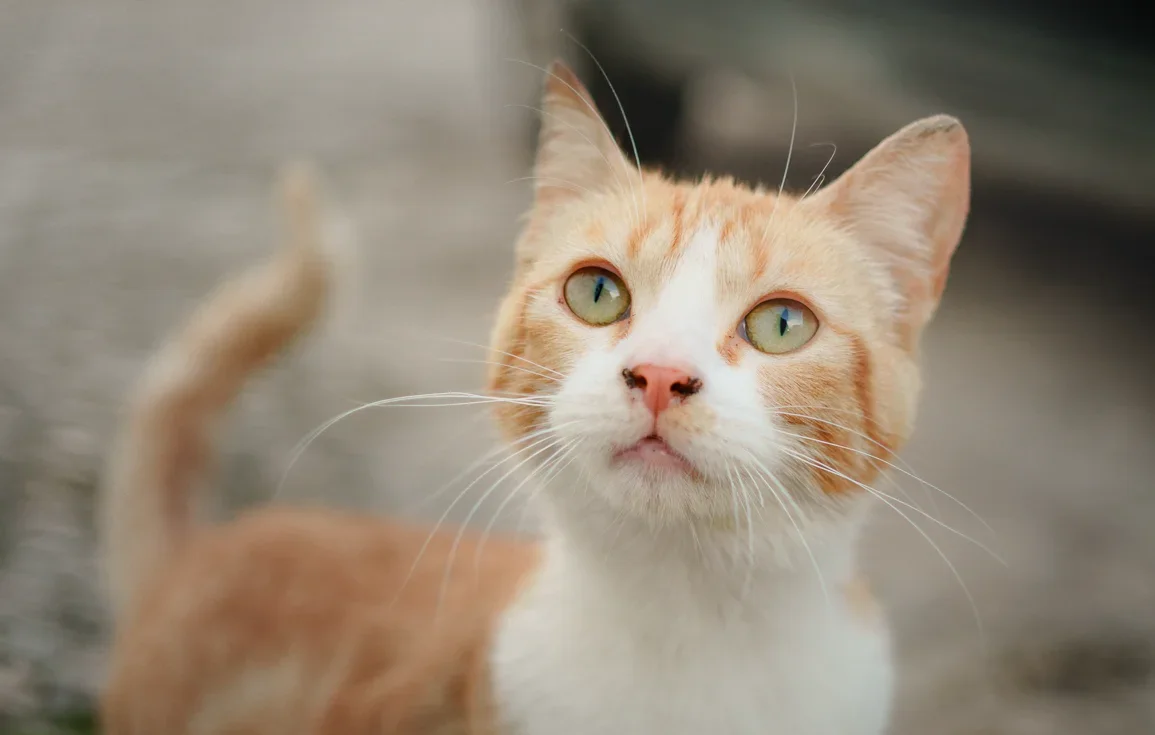
Street Life
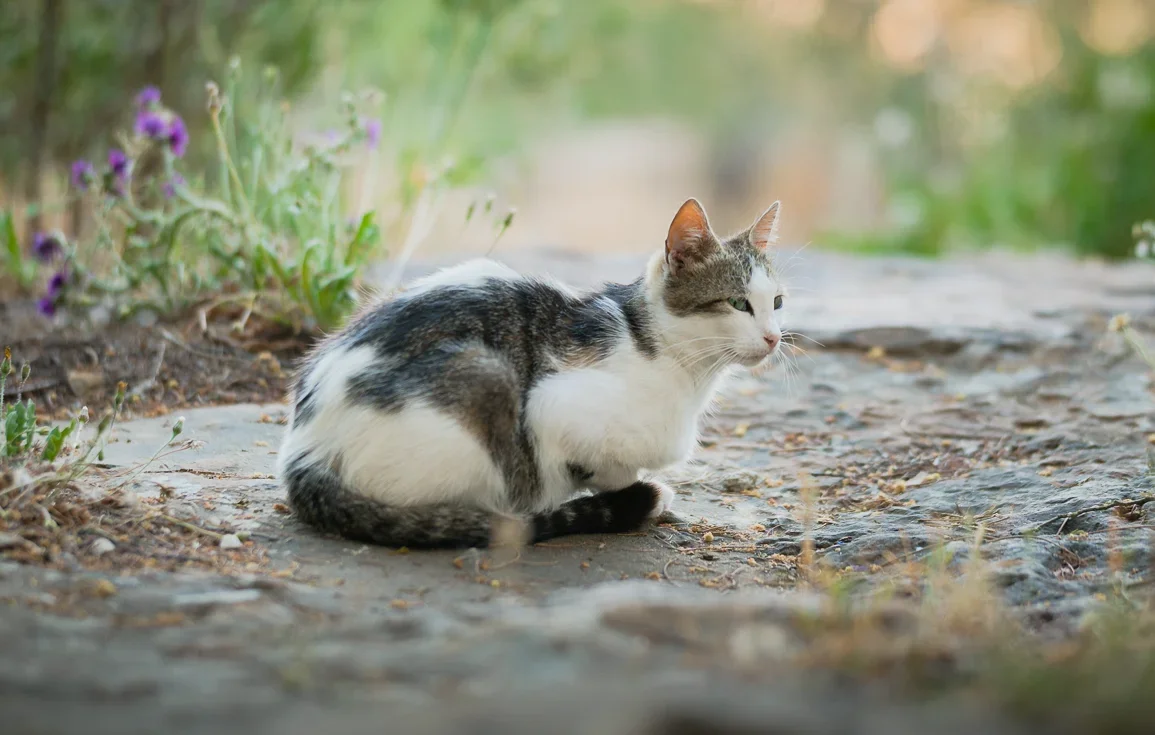
We don’t just wake up one day and choose to live on the streets. It’s humans who decide to abandon us. Has opening little food tins or paying the vet suddenly become too much of a burden for them? Or did they just forget about us when they packed up and moved house?
Many felines are tough and get used to life on the streets. They form colonies with fellow cats around parks and businesses. Well, if you, like me, value soft pillows over hard asphalt, life on the sofa is a lot more appealing. Unfortunately, there are fewer free couches than cats aspiring to get on them.
Hoping to Find a New Home
In Spain, shelter workers pick up thousands of us from the streets every year. They implant tracking buttons under our skin and give us injections to prevent illness. They perform quick surgeries to stop us from having endless kittens. They make us wait patiently in shelters hoping to find a new home with a loving family.
Recently, our two-legged comrades from Spain passed a big piece of paper called “Ley 7/2023” to keep us safe. It seems at last they have realized that we have feelings and rights. And that we deserve a safe place to rest...me-ooow...!