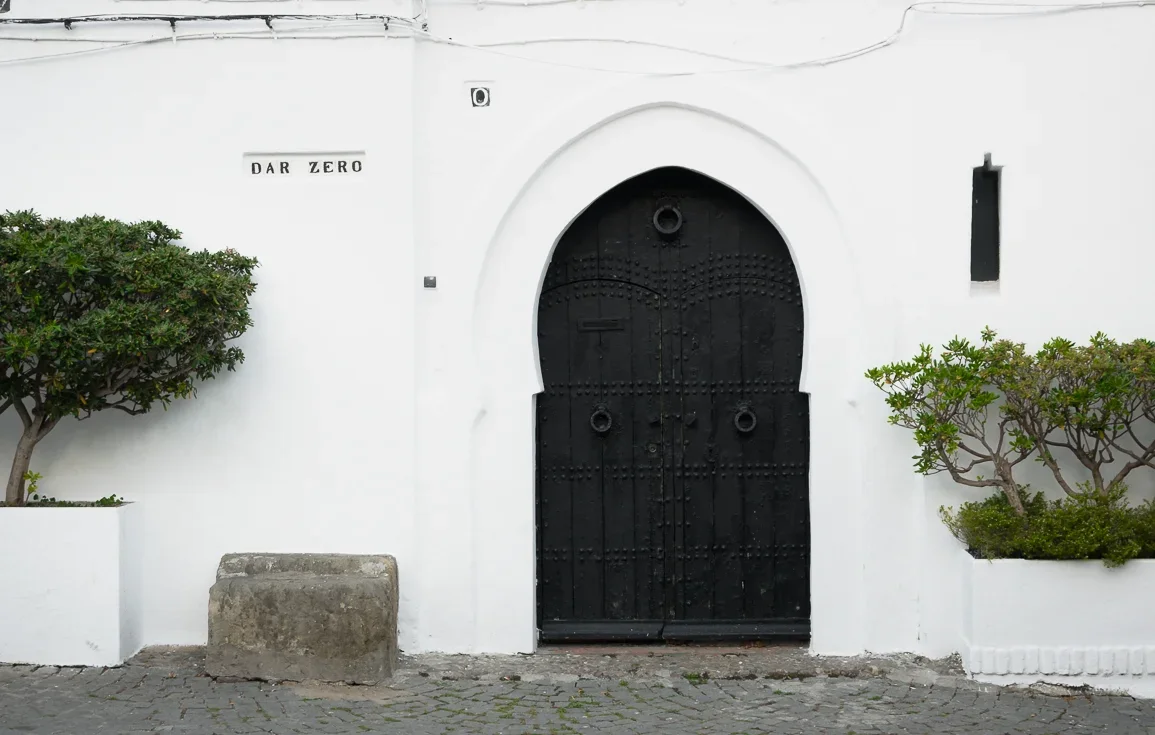
Medina & Metropolis
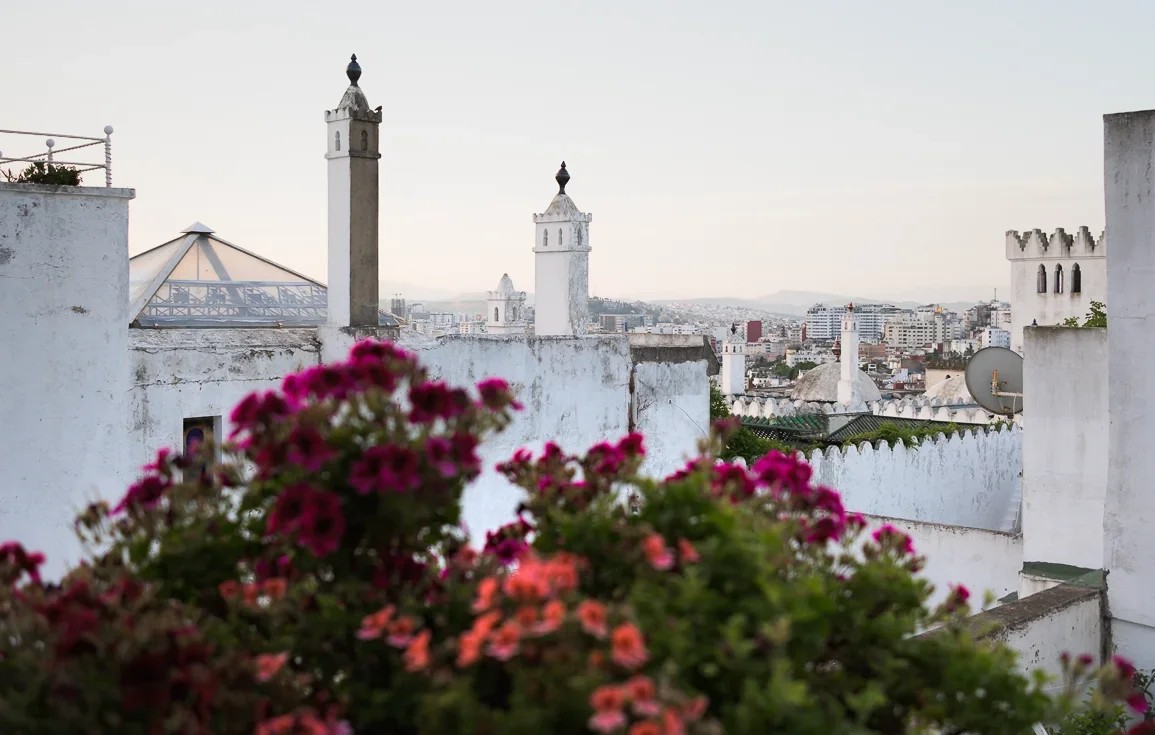
This port city on Morocco’s northern coast has rarely been on the top of many tourists’ bucket lists. Nonetheless, Tangier’s unique vibe offers a refreshingly unconventional travel experience.
In the second half of the 20th century, it earned a reputation as a haven for nonconformist Westerners. Back then, it attracted controversial figures such as William S. Burroughs, Tennessee Williams, and the Rolling Stones. One of the most extravagant characters was seemingly the Woolworth heiress Barbara Hutton. According to legend, she once hired the Moroccan army to act as her personal guard at a sumptuous ball she was hosting. She reportedly arrived at the party on a gilded throne.
Moroccan Army as a Personal Guard
The city’s appeal is linked to its location at the entrance to the Strait of Gibraltar. Its geography has placed it at the crossroads of various civilizations from North Africa, Europe and the Mediterranean. Their cultural influences can still be felt all over the city today.
In recent decades, Tangier has seen significant migration of people from rural areas in northern Morocco. Consequently, the city has grown into a metropolis of well over a million people. The days when it was a relatively compact port town that once was characterized by a certain urban refinement are long gone.
Today, the typical visitor is someone taking a day trip from a beach vacation on Spain’s southern coast. From Tarifa in Spain, Tangier is only an hour away by ferry.