Left Behind
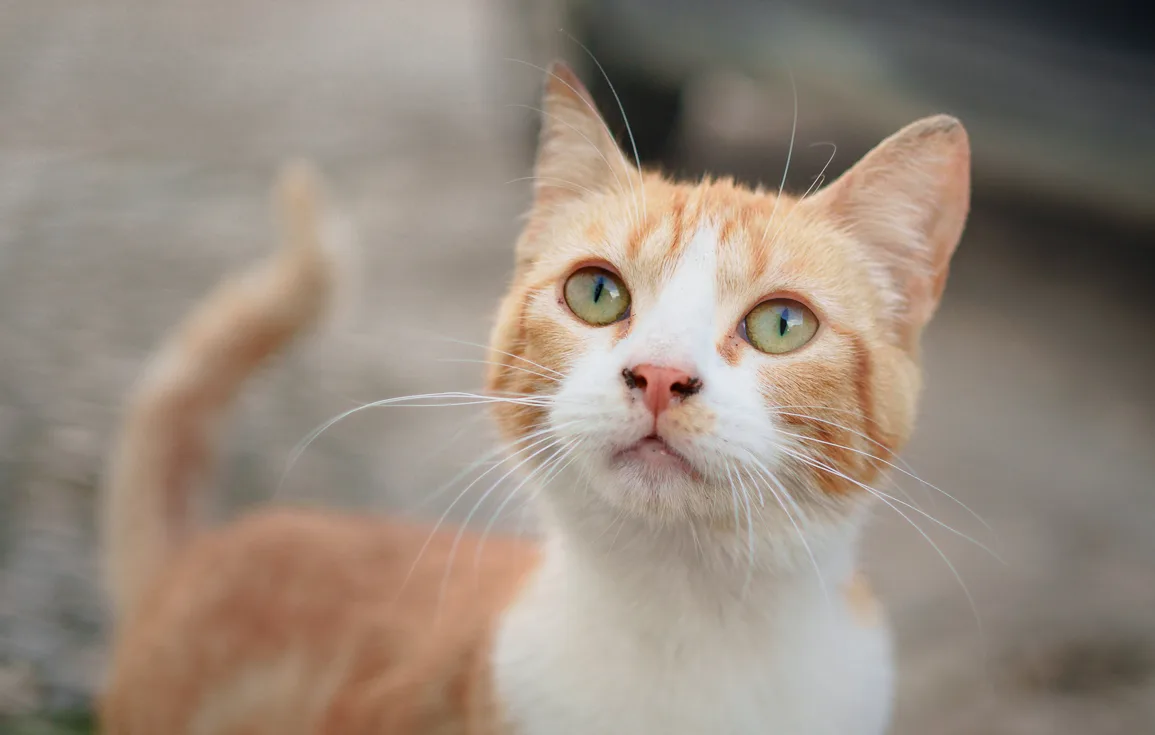
The life of a street cat usually starts with a human decision. Someone has abandoned their beloved pet. This may be because they are moving home or going on vacation. Or they decide that they no longer want to take responsibility for daily care or veterinary expenses.
In Spain alone, tens of thousands of cats are collected by shelters every year. This number doesn’t include felines that still live outdoors or in informal colonies. These cats, along with their offspring, form street cat colonies. Some adapt to outdoor life, establishing stable groups around homes, businesses, and parks. Others are more sociable and could live indoors if given the chance. Animal welfare organizations in Spain address this situation by combining colony management with adoption work.
These organizations vaccinate, microchip, and sterilize cats before putting them up for adoption, thus improving their chances of finding stable homes. Meanwhile, many municipalities now run or support trap-neuter-return programs that sterilize community cats, maintain stable colonies, and reduce new births over time.
In 2023, Spain’s animal welfare law (Ley 7/2023) has established a framework designed to protect the rights, dignity, and physical well-being of companion animals. Although the law lacks protocols and regulatory measures to take full effect, it has contributed to more cats being sterilized, identified, and cared for. Finally, a growing number of adoptable animals are being moved from the streets into homes.